

The start of the European market for hemp biocomposites can start from Italy
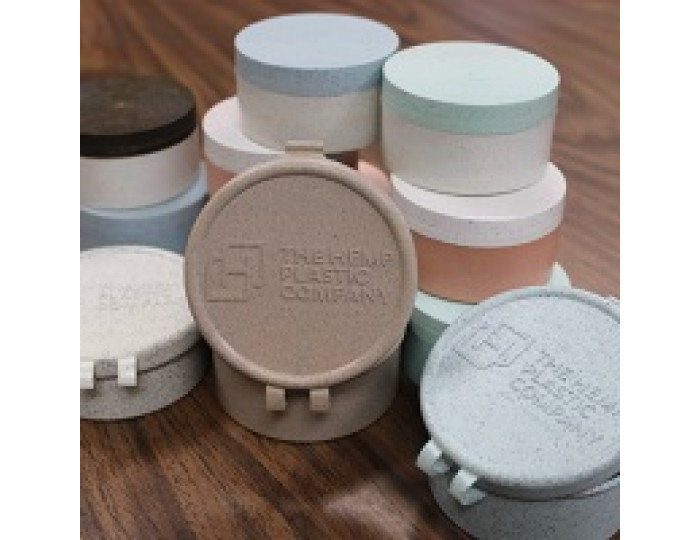
Having entered into an agreement with the American Hemp Plastic Company, the Italian company complements the LATI range and includes compounds based on polymers obtained by mechanical or chemical processing from renewable sources of raw materials, primarily hemp.
Technologies for using hemp raw materials as an alternative to fossil fuels for the production of various types of polyethylene, composites or plastics are actively developing in all economically developed countries of the world. All the more interesting for our dear readers and listeners will be the information below that Italian and American companies working on mechanisms for using hemp raw materials for the production of biocomposite materials are joining forces to promote hemp biocomposites on the European market.
Italy's LATI Industria Termoplastici (LATI), specializing in the production and use of technical thermoplastics for engineering use, has signed a distribution agreement for a new line of environmentally friendly hemp plastics with the US Hemp Plastic Company. The aim of the agreement is to spread on the European market ecological mixtures capable of meeting the technical supply and safety needs of various industrial sectors. The treaty deals with hemp-derived bioplastics, the underlying agreement that can be used in a variety of modern manufacturing industries, providing various market segments with a viable, more sustainable and environmentally friendly alternative to fossil-derived plastics.
It should be noted that the management of “LATI Industria Termoplastici” has been working for a long period of time in the field of manufacturing alternatives to traditional types of plastics. Having entered into an agreement with the American Hemp Plastic Company, the Italian company complements the LATI range and includes compounds based on polymers obtained by mechanical or chemical processing from renewable sources of raw materials, primarily hemp.
According to Vittorio Gerola, Commercial Director of LATI, “By working with The Hemp Plastic Company, we ensure further solutions to our clients' challenges in the field of sustainable development and reduction of carbon emissions.”
“We are delighted to be working with LATI to bring our line of sustainable hemp polymers to the European market,” adds Glen Keill, CEO of Hemp Plastic Company. “Industrial hemp is one of the largest natural carbon sinks in nature, and together with the European market leader LATI, we can accelerate our customers' transition to sustainable alternatives that reduce plastic and carbon emissions and are affordable. and relatively easy to implement ”.
Commentary of the specialists of the Association "Ukrainian technical hemp"
According to the report of the World Economic Forum, at the moment, the oceans and coastal water resources contain about 150 million tons of plastic, and a significant percentage of it is in the environment in the form of microplastics, which enters the body and is absorbed by living organisms, including humans. ... The report, among other things, was based on research from the World Wildlife Fund, as well as scientists from the Australian University of Newcastle. The results of these experiments indicate that each person on the planet on average consumes about 5 grams of plastic microparticles per week, which is a total of 250 grams per year.
Within the framework of the round table " Ukraine's place in the modern market for products from the fibrous part of hemp ", which is being prepared for holding during the next training course for students of the " Hemp University ", the attention of those present will also be focused on modern technologies that allow the most effective use of hemp derivatives straw / trusts in various sectors of modern farming. Issues related to the use of hemp raw materials in the production of modern biocomposite materials will be separately raised.