

Thailand example of the commercialization of hemp leaves
The example of Thailand is interesting to representatives of the national modern cannabis industry in that it demonstrates how just the regulation of the use of the leaves and inflorescences of technical hemp as raw materials for the manufacture of food and drinks “launched” at least a niche in which they are effectively commercialized as tasty and a useful ingredient used by various catering structures.
At the beginning of 2021, the editors of the specialized electronic edition of national cannabis growers in the article “ Why are hemp leaves and flowers used in recipes for restaurant dishes in Thailand ? further commercialization. Representatives of the country's public catering did not observe the experience of using the leaves and inflorescences of the plant in the restaurant business for a very long time. The information published below concerns the massive use of hemp plant leaves in selected public catering structures of the country.
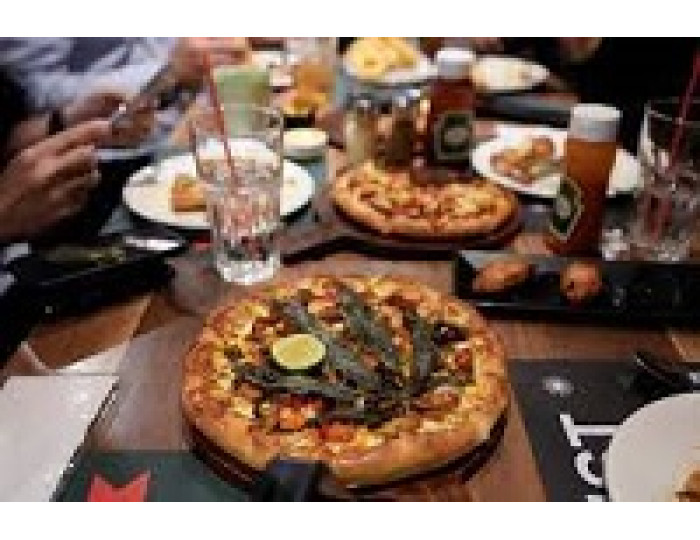
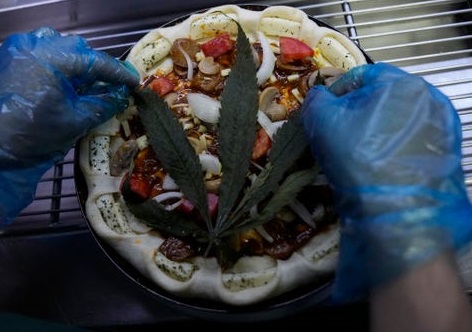
One of the largest fast food chains in Thailand is promoting "Hemp Pizza" on the market. According to Panusaka Suensatbun, General Manager of The Pizza Company, "This is a marketing campaign aimed at diversifying the menu with products that are in demand in the market." In addition to deep-fried cannabis leaves on the surface of a pizza, The Pizza Company offers visitors cheese products and sauces that include shredded leaves and buds of the hemp plant.
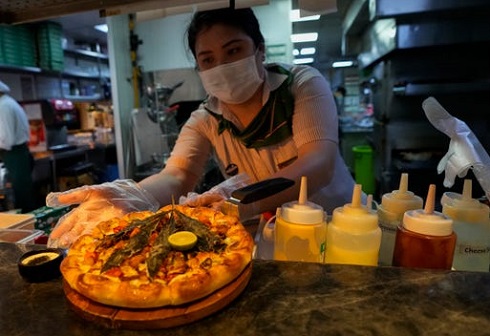
Dean of the Chulalongkorn Business School in Bangkok Wilert Purivat believes that marketing hemp as a food ingredient can be an effective way to attract consumers to the market. He emphasizes that “Most of the visitors want to stay in fashion and take photographs for publication on social networks in order to show that they have tried something that until recently was illegal. In addition, hemp has tremendous nutritional value based on the qualities of the product. ”
Commentary of the specialists of the Association "Ukrainian technical hemp"
Psychoactive cannabis is banned in Thailand and possession or use may result in fines or imprisonment. In December 2020, Thailand became the first country in Southeast Asia to exclude certain parts, as well as hemp extracts, from the list of controlled substances, and in February 2021, allowed their use in food and beverages. The amount of tetrahydrocannabinol in food, according to the current legislation of Thailand, should not exceed 0.2%.
The example of Thailand is interesting to representatives of the national modern cannabis industry in that it demonstrates how just the regulation of the use of the leaves and inflorescences of industrial hemp as raw materials for the manufacture of food and drinks “launched” at least a niche in which it is effectively commercialized as tasty and a useful ingredient used by various catering structures.