

Trends in the global drug-free cannabinoid market on the example of the USA
In the first year, after the regulation of the possibility of cultivating a hemp plant to obtain leaves and inflorescences, about 80 percent of cannabis growers try to grow therapeutic varieties of technical hemp. Traditionally, by the end of the year there is a significant surplus of the grown “green mass” of the plant, which leads to a gradual decrease in purchase prices for it. As early as the next year, after the regulation of the possibility of growing the leaves and inflorescences of therapeutic hemp, some agricultural producers “leave the market” or return to growing hemp plants for the production of “seeds”, or fibers / trusts. Accordingly, companies are crystallizing on the market that are able to produce high-quality hemp raw materials with enormous therapeutic properties at a minimal cost.
During 2020, on the pages of the specialized electronic edition of Ukrainian cannabis growers, the attention of our dear readers and listeners was focused several times on certain “ Trends in the global market for drug-free cannabinoids ” of plant origin. In particular, the Lithuanian and “ Polish experience of working on the drug-free cannabinoid market ” was considered as informative as possible during the training of students of the “Hemp University”, recommendations were prepared “ How to work on the EU medical cannabis market in anticipation of the overproduction crisis ”.
Taking into account the above tendencies in economically developed countries of Europe, our eyes were drawn to the tendencies of the most profitable industrial hemp market in the USA (the Canadian market was considered earlier). In the course of studying this issue, trends were identified, and conclusions were drawn, which are mostly identical to those observed in the EU market.
Following changes to the US regulatory framework at the end of 2018, production of industrial crops of technical hemp for plant leaves and buds increased sharply in 2019. Analysts in the American hemp market estimated the amount of green mass of therapeutic hemp grown in 2019 at about 41 tons (it was estimated that up to 90% of the licensed areas in the US were intended for the production of therapeutically active green mass of the plant).
It should be borne in mind that permits for the cultivation of cannabis in 2020 throughout the United States were received by 30% less than in 2019. Based on information on the production indicators reported in the reports of the departments of agriculture of individual administrative-territorial units of the United States, it can be argued that about 80% of the licensed areas were intended for the cultivation of plants with significant therapeutic properties (in Poland, this figure reaches 82%).
Based on the documented sown areas, we can say that in 2020, 25 to 35% of the licensed areas were sown in certain administrative-territorial units of the United States. Initial estimates of therapeutic hemp leaves and flowers for 2020 ranged from 18 to 25 tons of raw materials with enormous health / healing potential, but these figures were 38-56% lower than the original forecast. Those. we can say that the production of hemp biomass intended for the production of therapeutically active elements of the plant in 2020 compared to 2019 has been reduced by half. Already now we can say that the overproduction of the “green mass” of the hemp plant in 2019, as well as the amount of biologically active raw materials grown in 2020, will lead to an excess supply and a further decrease in prices on the market.

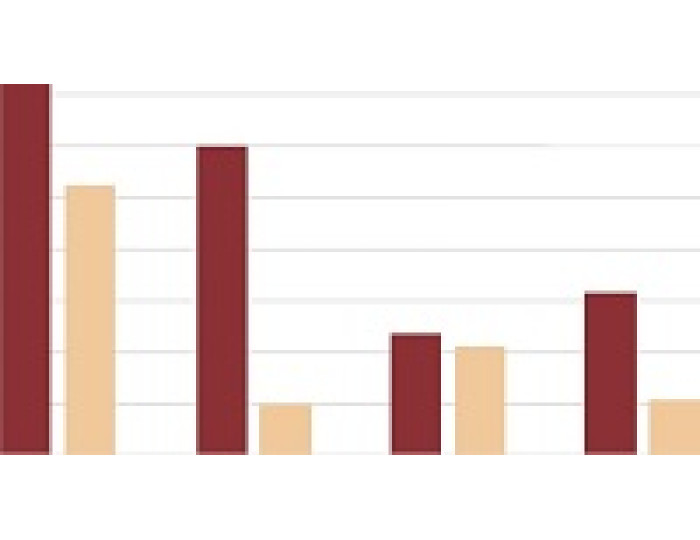
The above trends in the American hemp market lead to the fact that US agricultural producers no longer have the necessary enthusiasm to push them to enter the most profitable market for agricultural raw materials. For example, the area planted in Colorado in 2020 has decreased by about 50% compared to the same period last year; in Tennessee, the decline was about 70%; Montana has seen a decline of about 75% (and the area planted in 2020 was almost entirely for grain production); Kentucky cultivated about 80% less planted area in 2020 compared to last year.
Commentary of experts of the Association "Ukrainian technical hemp"
In the first year, after the regulation of the possibility of cultivating a hemp plant to obtain leaves and inflorescences, about 80 percent of cannabis growers try to grow therapeutic varieties of technical hemp. Traditionally, by the end of the year, there is a significant surplus of the grown "green mass" of the plant, which leads to a gradual decrease in purchase prices for the above raw materials. As early as the next year, after the regulation of the possibility of growing the leaves and inflorescences of therapeutic hemp, some agricultural producers “leave the market” or return to growing hemp plants for the production of “seeds”, or fibers / trusts. Accordingly, companies are crystallizing on the market that are able to produce high-quality hemp raw materials with enormous therapeutic properties at a minimal cost.