

Trends in the German Medical Cannabis Market
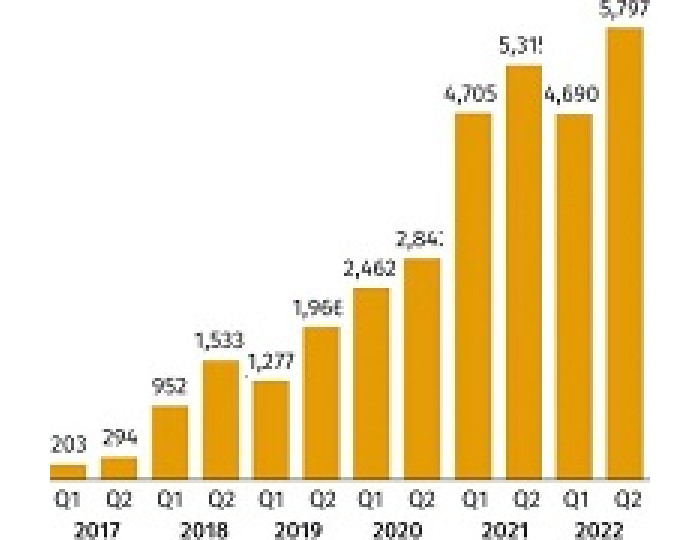
The forecasts of a number of analytical and consulting companies about the exponential growth of the German medical cannabis market clearly did not materialize. Imports of dried flowers and hemp extracts in the first six months of 2022 are only 6.1% higher than in the first half of last year.
The forecasts of a number of analytical and consulting companies about the exponential growth of the German medical cannabis market clearly did not materialize. Imports of dried flowers and hemp extracts in the first six months of 2022 are only 6.1% higher than in the first half of last year.
Understanding that in Ukraine the market of therapeutically active hemp raw materials will “open” with time, the editors of the specialized electronic edition of national cannabis growers “highlight” certain trends observed in the German medical cannabis market with a certain frequency. The information published below once again confirms that our Canadian colleagues, trying to lobby for the regulatory framework “for themselves”, are doing everything possible in the future to prevent the national producer from entering the domestic market. A clear example of such actions is the situation on the medical cannabis market in such an economically developed state as Germany.
Germany imported a record amount of hemp with significant therapeutic potential for medical and scientific use in the first half of this year. The data provided by the government agencies of the country indicate that despite the fairly stable growth of this market, it is developing at a completely different exponential pace, which was predicted against the backdrop of the medical cannabis stock market mania in 2018-2020.
Available data show that Canada's role as the main supplier of hemp raw materials with significant therapeutic potential in Germany is gradually decreasing due to increased competition in the market. Already now we can talk about significant supplies of hemp raw materials with therapeutic potential from Denmark, Holland, Portugal, as well as a number of other countries.
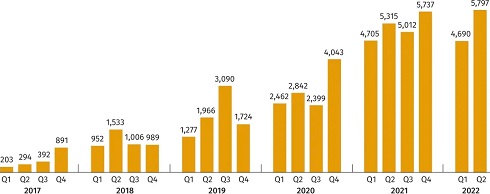
According to the Federal Institute for Medicines and Medical Devices (Bundesinstitut für Arzneimittel und Medizinprodukte, BfArM), imports of dried flowers and hemp extracts in the first six months of 2022 amounted to 10,487 kg, which is 6.1% higher than in the first half of last year, when 9,840 kg were imported.
It must be kept in mind that an unknown amount of imported hemp raw materials as well as extracts are re-exported to other countries in the European Union, so the import figure should be used to measure the size of the German market, with a certain error introduced into the final figure.
Data provided by German government agencies indicates that in 2021 Canada remained the main supplier of hemp raw materials with significant therapeutic potential or extracts from the plant. Last year, Canadian licensed growers shipped 6,493 kg of medical cannabis flowers and extracts to Germany, about one-third of the country's total imports. Despite the dominance of imported Canadian hemp raw materials in Germany, there is a trend in which the share of Canadian raw materials in the German market is gradually decreasing. In particular, in 2017, Canada accounted for more than 38% of all medical cannabis imports to Germany.
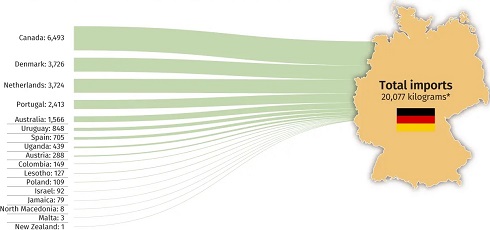
After Canada, the largest suppliers to Germany in 2021 were Denmark (3726 kg or 18.1%), the Netherlands (3724 kg or 18%) and Portugal (2413 kg or 11.7%).
One of the reasons for the decline in the role of Canada in the structure of imports of therapeutically active hemp raw materials to Germany is the fact that some Canadian companies are moving production from their enterprises to Europe. For example, Aurora Cannabis, based in Alberta, until recently supplied the German market with its raw materials mainly from Canada. However, obtaining the European Union good manufacturing practice (GMP) certification on September 11, 2020 for its Aurora Nordic facility in Denmark allowed the company to “transfer its supply of products destined for EU markets from Canadian to Scandinavian facilities.”
In addition, keep in mind that Aurora also holds one of three licenses for the production of medical cannabis in Germany, and its EU-GMP certified Aurora Leuna facility opened in July. This fact suggests that in the near future the German branch of the Canadian "Aurora" will meet the needs of German patients.
Commentary of the specialists of the “Ukrainian Industrial Hemp Association”
The forecasts of a number of analytical and consulting companies about the exponential growth of the German medical cannabis market clearly did not materialize. For example, a 2018 report by London-based Prohibition Partners, which predicted a €1 billion market for medical cannabis in Germany by 2020, or a forecast by the American BDS, which predicted a similar figure by €800 million by 2022, were significantly exaggerated. According to a number of EU hemp market experts, this year alone the German medical cannabis market could approach the €300 million mark.
< Previous article Next article >