

Therapeutic properties of natural drug-free cannabinoids and diseases that can be effectively treated with them
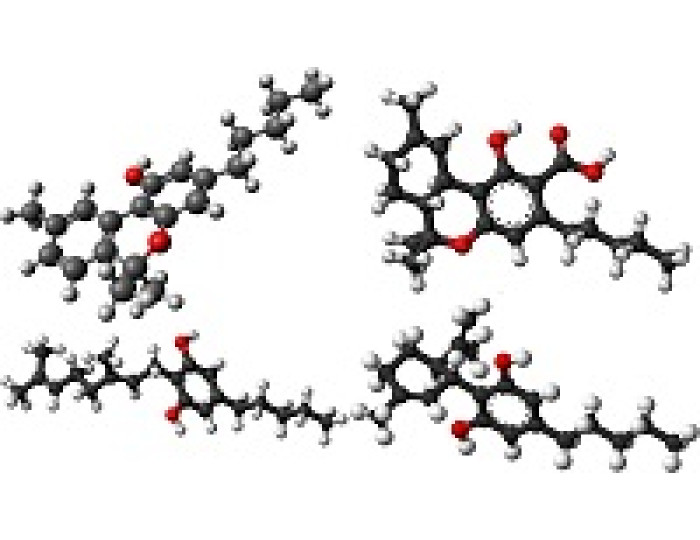
Most of the drug-free cannabinoids are found in flowers, with lower concentrations also present in the leaves of the plant and in small amounts in the stems. Many of these are of documented medical value.
An analysis of the trends observed in the last few years in the economically developed countries of the world indicates that despite the fact that “the global market for drug-free cannabinoids is dominated by cannabidiol ”, the therapeutic properties of lesser known natural compounds naturally present in the hemp plant are rapidly commercializing. On the pages of the specialized electronic edition of national cannabis growers, the medicinal properties of terpenoids , terpenes , flavonoids were described, finols, and it is also constantly emphasized that the use of the synergistic effect of the complex effect of the therapeutically active elements of a plant on the human body has a much greater therapeutic / health-improving effect than the use of individual plant components that have been exposed to temperature, pressure, precursors, etc. Unfortunately, the editors did not pay enough attention to drug-free cannabinoids, which play a key role in the beneficial effect on the human body, and also did not indicate the properties of the above-mentioned plant constituents determined by science. In connection with the above, the available materials were systematized regarding the therapeutic properties of drug-free cannabinoids, as well as the diseases with which they effectively cope, which are offered for familiarization to our dear readers and listeners.
Cannabinoids are compounds that are naturally present in the hemp plant. Of the over 500 natural ingredients found in hemp, over 100 are classified as cannabinoids. They are mainly found in flowers, in lower concentrations they are also present in the leaves of the plant and in small amounts in the stems. Many of these are of documented medical value. Scientists have shown that drug-free cannabinoids can be involved in the treatment of a number of diseases, including relieving a number of symptoms - pain, nausea, anxiety, inflammation, etc.
Drug-free cannabinoids work by mimicking compounds naturally produced by our bodies, called endocannabinoids, which are activated to maintain the internal stability and health of the human body. Those. they mediate communication between cells when there is a deficiency or problem with our endocannabinoid system, or unpleasant symptoms and physical complications occur.
The use of drug-free cannabinoids contained in the leaves and inflorescences of hemp suggests their interaction with specific receptors located in various organs of the human body. Non-drug cannabinoids have different effects depending on which receptors they bind to, therefore, depending on their concentration in different plant varieties, special types of therapeutic effects on the human body are possible.
The most famous therapeutic properties of the drug-free cannabinoids in the hemp plant are:
• cannabidiol (CBD) - relieves pain; kills or slows down the growth of bacteria; lowers blood sugar, the risk of clogged arteries; reduces vomiting and nausea, seizures and convulsions, inflammation, contraction of the small intestine; normalizes the function of the immune system; inhibits cell growth / psi cell treatment; manages psychoses; suppresses muscle spasms; relieves anxiety; promotes bone growth; protects against degeneration of the nervous system;
• cannabigerol (CBG) - kills or slows down the growth of bacteria, reduces inflammation, inhibits cell growth in tumors / cancer cells, promotes bone growth;
• cannabinol (CBN) - relieve pain; improves sleep; suppresses muscle spasms;
• cannabichromene (CBC) - promotes general pain relief, plays a role in anti-inflammatory and antiviral effects, inhibits the growth of tumor / cancer cells, promotes bone growth.
• tetrahydrocannabivarin (THCV) - suppresses appetite / promotes weight loss, reduces cramps, promotes bone growth;
• cannabigerolic acid (CBGa) - relieves pain, reduces inflammation;
• cannabichromenic acid (CBCa) - kills bacterial growth, treats fungal infections;
• tetrahydrocannabinolic acid (THCa) - reduces inflammation, inhibits the growth of tumor / cancer cells, suppresses muscle spasms;
• cannabidiolic acid (CBDa) - reduces inflammation, inhibits the growth of tumor / cancer cells;
• cannabidivarin (CBDV) - effective in the treatment of epilepsy;
• CGCa - reduces inflammation.
Possibilities for the use of drug-free cannabinoids in the treatment of various types of diseases:

disorders of the gastrointestinal tract and the digestive system

pain and sleep problems

psychiatric and neurological disorders

specific diseases