

For the first time, athletes competing in the Tokyo Olympics talk about using natural cannabidiol in preparation for a competition
National experts have found natural substances that enhance the beneficial effects on the body of athletes of the therapeutic properties of the hemp plant, primarily the plant cannabidiol. Technologies for the manufacture of sports supplements, as well as national hemp raw materials rich in non-drug cannabinoids, are currently being massively used to improve athletic performance in certain European countries (Germany, Belgium, Spain).
For the first time in the 125-year modern history of the Olympic Games, athletes claim that hemp products, and primarily natural cannabidiol, were used by them in the pre-competition period to improve athletic performance.
History
The World Anti-Doping Agency (WADA) removed cannabidiol (CBD) from its banned substance list in September 2017. However, this change did not take effect until January 1, 2018, so athletes who took part in the 2018 Winter Olympics did not have time to use it to prepare for competitions in South Korea.
Dignity
Foreign athletes everywhere note a number of exclusive properties that most effectively help athletes to demonstrate the maximum possible results that the physiology of their body “pulls out” as a result of the use of hemp products, primarily rich in plant cannabidiol, during the pre-competition period:
- improving the quality of sleep;
- a significant improvement in the psycho-emotional state (relieving stress and tension during the competition);
- reduction of the period required for recovery;
- increased efficiency;
- reduction of the healing period of microtraumas;
- an increase in the period of peak loads on the body;
- increased stress resistance;
- use to relieve muscle pain or as a result of injuries;
- an increase in the production of natural testosterone by the body.
Disadvantages
At the moment, the use of other non-drug cannabinoids or other therapeutically active elements of the hemp plant (terpenes, flavonoids, terpenoids, finols) is not permitted by WADA. Due to the fact that tetrahydrocannabinol remains on the list of prohibited substances, and officials of the World Anti-Doping Agency are extremely sensitive to positive results, demonstrating the presence of the above-mentioned controlled cannabinoid in the blood. This may be evidenced by the suspension and disqualification on the eve of the 2020 Olympics of American sprinter Sha'Carrie Richardson after a doping test showed a positive result for the presence of THC in her body.
In interviews with various media, athletes say that they actively used plant-based cannabidiol exclusively during the preparatory period for the competition. Due to the uncertainty of the regulatory framework, which does not allow for the safe import of hemp products across the borders of various countries, as well as the specifics of the regulatory framework governing the use of these hemp products in Japan, athletes were forced to leave CBD products at home.
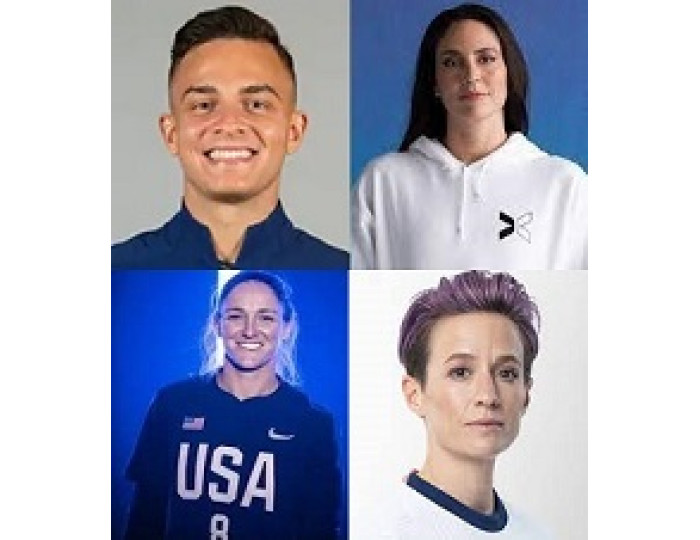
Athletes who officially announced the use of plant-based cannabidiol in preparation for the Tokyo Olympics
Megan Rapinoe - football;
Devon Allen - athletics;
Sue Bird - basketball;
Hayley McCleney - softball.
National experience
The use of leaves and inflorescences of technical hemp of therapeutic orientation of the “Mriya” variety has been practiced by some Ukrainian athletes for quite a long period of time. National experts have found natural substances that enhance the beneficial effects on the body of athletes of the therapeutic properties of the hemp plant, primarily the plant cannabidiol. Technologies for the manufacture of sports supplements, as well as national hemp raw materials rich in non-drug cannabinoids, are currently being massively used to improve sports performance in certain European countries (Germany, Belgium, Spain). In addition, negotiations are underway for the use of sports supplements based on the therapeutic properties of the therapeutic cannabidiol-rich technical hemp flowers in Austria as well as Sweden.