

High Margin Ways to Use Hemp Pulp

In the economically developed countries of the world, scientists are developing alternative methods to the traditional methods of using various derivatives of the fibrous part of the hemp plant, assuming the independence of agricultural producers from the location of capacities for primary or deep processing.
Over the past year and a half, the issue of the growing global crisis in the overproduction of individual therapeutically active elements of the hemp plant and, accordingly, a significant “subsidence” in terms of the effectiveness of investments in this segment of modern hemp growing has been raised on the pages of the specialized electronic edition of national hemp growers over the past year and a half. In search of the currently “unoccupied” most promising markets for highly liquid hemp products obtained from hemp raw materials, the editors turned to the specialists of the Hemp Consulting (HC) information and analytical platform. The information provided by HC specialists is published without any changes or abbreviations.
Of course, in addition to the market that exploits the therapeutic properties of hemp, there are other components of the plant that allow using modern technologies to obtain high-margin products from the root or grain. However, I would like to focus on the fibrous part of the plant, which is clearly underestimated in our country and, for the most part, is rarely considered by agricultural producers as a source of raw materials from which high value-added products can be obtained.
Since the EU has designated hemp as a "main crop" in accordance with the Common Agricultural Policy of the Union, and given the ambitious environmental targets presented by the European Green Deal, the projects below fit neatly into the EU's strategy to develop highly liquid alternative economic models. The valorization of crops such as industrial hemp, flax, corn and wheat, as well as their respective crop wastes, is one of the main alternatives being explored in the EU. Over the past seven years, the EU has invested €3.7bn in research and innovation in the bioeconomy, and this investment is expected to increase to €10bn by 2030.
First of all, they exploit the fact that cellulose, which makes up from 65 to 75% of the biochemical composition of hemp fibers, is of particular interest due to its abundance, biocompatibility and the fact that it can be obtained even from the waste of the main industries associated with the processing of hemp fiber. .
Aerogels
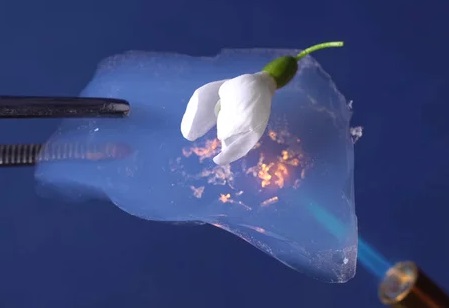
EU scientists are actively exploring new ways to extract cellulose from hemp fiber waste to produce airgels and are funded by a grant from the Biobased Value Circle. Over the past 20 years, they have been widely used in supercapacitors, ultracapacitors, battery and desalination electrodes, as a high-temperature insulating material, carbon nanotube catalyst, etc. Commercial applications include pipe insulation, construction, home appliances, refrigeration and automobiles, and consumer applications such as clothing.
Microcrystalline cellulose and alcohol
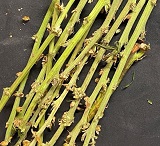
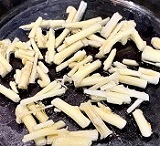
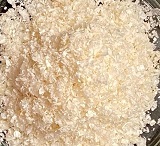
Technologies for obtaining microcrystalline cellulose and edible alcohol from the fibrous part of the hemp plant have been developed in our country.
Commentary of the specialists of the “Ukrainian Industrial Hemp Association”
Companies participating in the Biobased Value Circle (BVC) consortium hire or host PhDs for long-term fellowships as part of a program to train a new generation of researchers to support the development of innovative bio-based products that can lead to a more sustainable economy. The Belgian companies "B4Plastics" and "ChemStream BVBA" take part in the work of BVC; German "Fibrothelium", "Umlaut Transformation GmbH" and the national center for aerospace, energy and transport research; French “KEEY Aerogel” and “Habsheim”, Italian “BioEvol Srl”, Austrian “IFG Asota GmbH”, English “Spintex Engineering Ltd”, and Spanish “Technical Proteins Nanobiotechnology S.L.”. Universities - Aachen-Maastricht Institute of Biomaterials of Maastricht University (Netherlands); Karl and Franz University of Graz (Austria), University of Galway (Ireland), BioTex Institute of the RWTH Aachen University (Germany).
A feature of the use of the fibrous part of the hemp plant is the high cost of its transmission for infection, therefore, in the industrial countries of the world, alternative options for using various derivatives of the fibrous part of the hemp plant are used, which involve independent manufacturers from the availability of large sample capacities.
< Previous article Next article >