

Conclusions from the information on the reduction of the cultivated areas of technical hemp in Poland
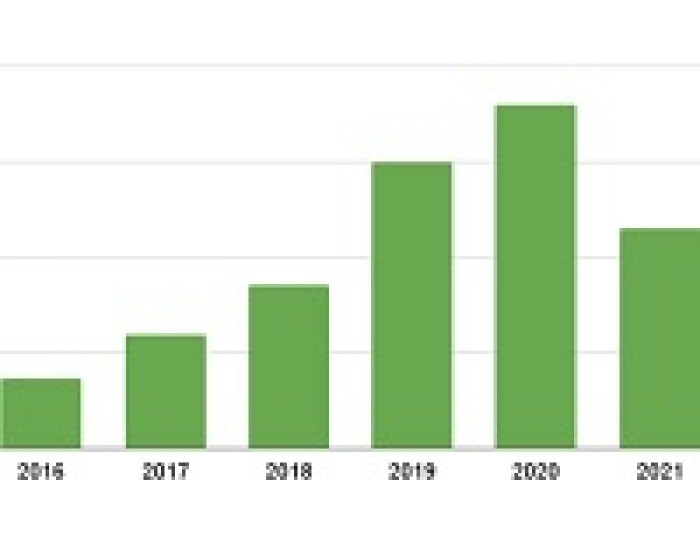
Cultivation areas for industrial hemp in Poland have fallen by about 36% this year after a significant proportion of farmers withdrew from subsidies due to their blocking on seed material of the Finnish variety “FINOLA”. According to the state agricultural accounting data, industrial plantings of industrial hemp in Poland in 2021 amounted to only 2,300 hectares, up from 3,600 in 2020.
Poland's Agency for Agricultural Restructuring and Modernization (ARiMR) announced last March that support for Polish farmers cultivating the Finnish FINOLA cultivar in 2021 would be blocked as plants grown from this seed were found to contain excessive levels of tetrahydrocannabinol. ...
Cultivation areas for industrial hemp in Poland have fallen by about 36% this year after a significant proportion of farmers withdrew from subsidies due to their blocking on seed material of the Finnish variety “FINOLA”. According to the state agricultural accounting data, industrial plantings of industrial hemp in Poland in 2021 amounted to only 2,300 hectares, up from 3,600 in 2020.
Naturally, seed companies specializing in the cultivation of the Finnish variety “FINOLA” are appealing to ARiMR and the Standing Committee of the “European Commission on Plants, Animals, Food and Feed” after the Agency passed a decision at the end of July 2021 banning the sale of seed in Poland. material above the specified Finnish grade. At the moment, the owners of the “FINOLA” variety and Polish seed companies affiliated with the parent company are awaiting the examination of a complaint filed on this issue with the European Commission and the relevant structures of the European Court.
Commentary of the specialists of the Association "Ukrainian technical hemp"
Most likely, the initiative of Polish breeding and seed-growing structures affiliated with them to “squeeze” foreign seed material from the Polish market was realized by blocking subsidies for the cultivation of the Finnish variety “FINOLA”, in the plants of which an increased content of the controlled substance was found. This fact, in addition to clearly demonstrating the "fight" in the seed market in the EU to the national producer, should speak about the following:
- subsidized resources for the cultivation and processing of industrial crops of technical hemp attract up to a third of agricultural producers to the industry. Those. in the case of subsidies or the creation of other preferential conditions on the part of national officials for the development of modern cannabis growing in Ukraine, it makes sense to count on an increase in the area of industrial crops of industrial hemp by at least 30%;
- it makes no sense to negotiate with the producers of the Finnish seed material "FINOLA" for its further cultivation on the territory of our country (relevant for a number of agricultural producers who are trying to conclude agreements on representation with foreign breeding companies);
- having actually “lost” the Polish market of seed material, the Finnish owners of the “FINOLA” variety, as well as their affiliated structures, will try to sell it on the territory of our country. It is strongly discouraged to do this, not only due to the fact that foreign seed material costs several times more than national seed, but also because such crops will immediately attract the attention of law enforcement agencies with subsequent criminal prosecution;
- having found an excuse to “withdraw from the market” foreign seed material, Polish breeding companies not only establish themselves in the domestic market, but also prepare for expansion into the EU markets, including Ukraine.
As a general conclusion, I would like to focus on the position of Lithuanian cannabis growers, who consider the greatest tragedy of modern cannabis growing in their country to be dependence on foreign seed in connection with the loss of their own varieties of technical hemp.
This kind of negative Lithuanian experience is most relevant for our country due to the fact that modern “additional” services in the field of breeding, as well as seed production in the EU countries are based on a developed banking system, which involves the provision of preferential loans for the purchase of breeding / seed material grown in the EU ... Despite the fact that the quality and characteristics of the national breeding / seed material are not worse, and in a number of indicators are much better than their foreign counterparts, national companies that specialize in breeding or seed production cannot currently resist the expansion of foreign competitors (recall the experience of Kazakhstan, when long-term contracts with national seed companies were terminated precisely for the above reason). That is why the imposed on us no alternative to the need to increase the amount of tetrahydrocannabinol for growing industrial hemp actually makes national companies that specialize in breeding or seed production uncompetitive in the medium term, which will further lead to the loss of their own varieties and complete dependence on foreign supplies of seed.