Differences in Approaches to Utilizing the Therapeutic Properties of Hemp in Ukraine and Slovenia
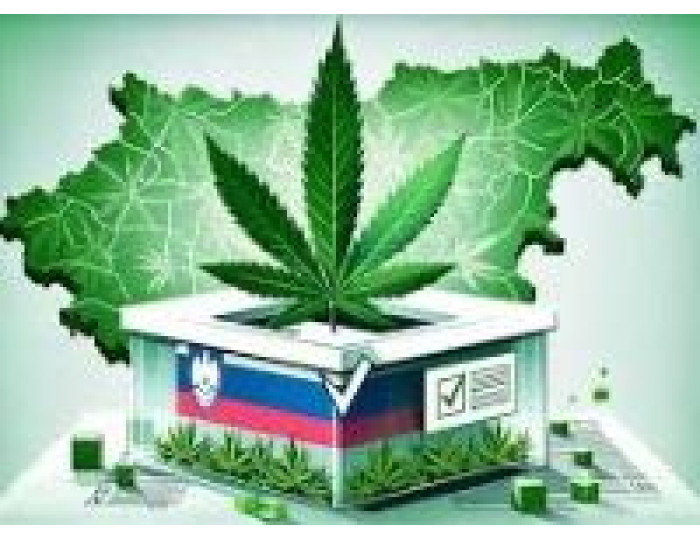
This past weekend, Slovenian voters in a non-binding referendum not only approved the possibility of growing and using therapeutically active hemp for medical purposes but also voted for the regulation of plant cultivation in residents' homes.
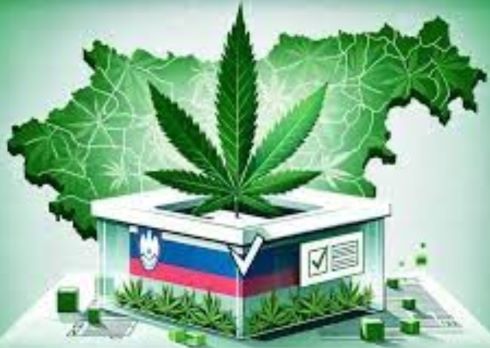
The legislative norms in Ukraine, which will come into effect in the second half of August and regulate the legality of growing medical hemp, will undoubtedly provide opportunities for the pharmaceutical industry to exploit the plant's therapeutic properties. However, unlike the one-sided approach to this issue in our country, developed countries around the world provide legislative alternatives for utilizing the therapeutic properties of the plant, such as creating conditions for the operation of hemp social clubs or allowing the cultivation of therapeutically active hemp in homes.
Support for modernizing the policies for growing and using therapeutically active hemp by citizens in various EU countries continues to gain momentum. Specifically, this past weekend, Slovenian voters in a non-binding referendum approved not only the possibility of growing and using therapeutically active hemp for medical purposes but also voted for the regulation of plant cultivation in residents' homes.
During the referendum, Slovenes were asked the following questions:
Should the Republic of Slovenia allow the cultivation and storage of hemp for limited personal use within its territory?
Should the Republic of Slovenia allow the cultivation and processing of hemp for medical purposes within its territory?
In both cases, the country's citizens answered the questions positively. The results of the vote send a clear and important signal to Slovenian lawmakers that it is time to modernize the national policy regarding the utilization of the therapeutic properties of the hemp plant.
Commentary from the Ukrainian Technical Hemp Association
The sale and use of therapeutically active hemp are already legal in Slovenia, but growing the plant remains prohibited. Although the vote was purely advisory and has no legal force, public support for such legislative initiatives suggests a shift in public opinion and may pave the way for changes in the regulatory framework that align with voters' preferences.
On April 1, 2024, the first provisions of the law allowing the cultivation of therapeutically active hemp in homes came into effect in Germany. According to its provisions, German residents may cultivate up to three plants in their private homes. Social clubs for hemp are expected to open in Germany in July.
Last month, the President of South Africa signed a law legalizing the cultivation, storage, and consumption of therapeutically active hemp by citizens within their homes.
The issue of home cultivation of hemp plants by consumers/patients is widely debated. Nevertheless, this unequivocal right for citizens has significantly advanced hemp reforms in countries such as Canada, Malta, Uruguay, Georgia, Mexico, and several U.S. states. Luxembourg and the Netherlands are considering regulating home cultivation of therapeutically active hemp at the legislative level.