Blog
What is the reason for the decrease in sales of medical cannabis in the Netherlands
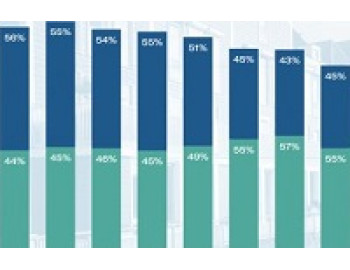
The number of medical cannabis sales in the Netherlands declined in the first half of 2021, continuing a similar trend that began in 2018, when insurance claims were suspended in the country. Since that time, the number of patients using the plant for medicinal purposes has also been decreasing. The relative market share of medical hemp flowers versus extracts grew to 55% in the first half of 2021, up from 44% of sales in 2017.
Anticonvulsant properties of cannabinoid acids
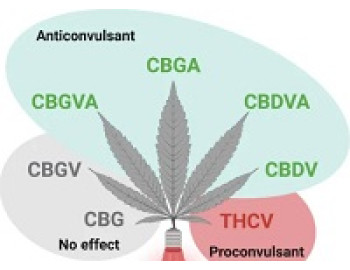
Research results published in the British Journal of Pharmacology indicate that cannabigerolic acid (CBGA), cannadivaric acid (CBDVA) and cannabigerovaric acid (CBGVA) significantly reduce seizures in a mouse model of Dravet syndrome.
Hemp fiber for the production of RVs and commercial vehicles
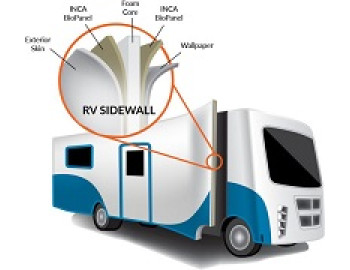
Within the framework of the round table " Ukraine's place in the modern market for products from the fibrous part of hemp ", which is being prepared for holding during the next training course for students of the " Hemp University ", the attention of those present will be focused on modern technologies that allow the most effective use of hemp straw derivatives / trusts in various sectors of modern economy. Separately, questions will be raised related to exactly what changes are needed in the current regulatory framework aimed at creating conditions for the rapid development of the hemp fiber processing market in our country.
Canadians prefer to use the therapeutic properties of cannabis without intermediaries
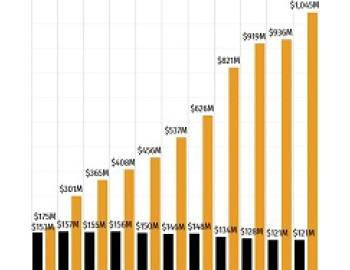
The number of those registered with Health Canada to grow plants individually for medicinal purposes has nearly doubled since 2018. Specifically, in October 2018, 25,945 patients were allowed to grow their own medical cannabis or a person assigned to grow it on their behalf. According to the latest data, this number reached a record 43,680 in December 2020.

An Italian Experiment on Feeding Animals with Cannabidiol-Rich Food
Cannabinoid acids (thesis)
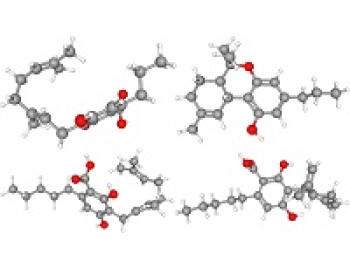
Untreated leaves and inflorescences of a hemp plant contain cannabinoid acids, which, in terms of their therapeutic effect on the human body, are ten times more powerful than cannabinoids, into which they are converted through a number of biosynthetic stages.
How the EU is responding to unsafe THC levels in food
The European Food Safety Agency has set the maximum allowable daily intake of tetrahydrocannabinol at 1 mcg (microgram) per kilogram of body weight in foods.
Market prospects for “non-traditional” therapeutically active elements of cannabis
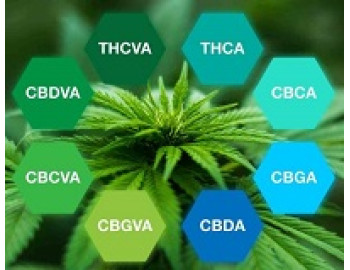
Several European companies entered the market at once with raw materials and products rich in cannabigerol, cannabichromen, as well as a number of other “unconventional” therapeutically active substances contained in hemp. Accordingly, research has intensified to study the therapeutic properties of not only individual therapeutically active elements of the plant, but also their interaction with each other.
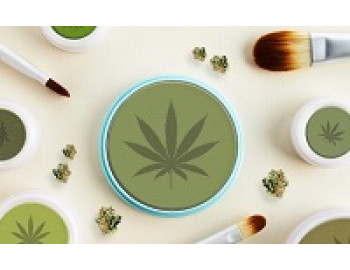
Using Cannabinoid Cosmetics to Solve Skin Problems